
MORI CHARACTER×LABO Vol. 3 to be held in Kobe, Japan! Hands-on ESD Program: Learning from Cows
University of Tokyo x School Children's Hotel collaborate
一般社団法人ホロニック

The "Gakudo Hotel" operated by HORONIC (Hotel Setre Kobe Maiko/Kobe City), in cooperation with the University of Tokyo and Toho Leo Corporation, will participate in a joint study to examine the improvement of children's abilities fostered by ESD (Education for Sustainable Development), and will hold the third MORICHARA x LABO hands-on ESD program on April 28, 2026.
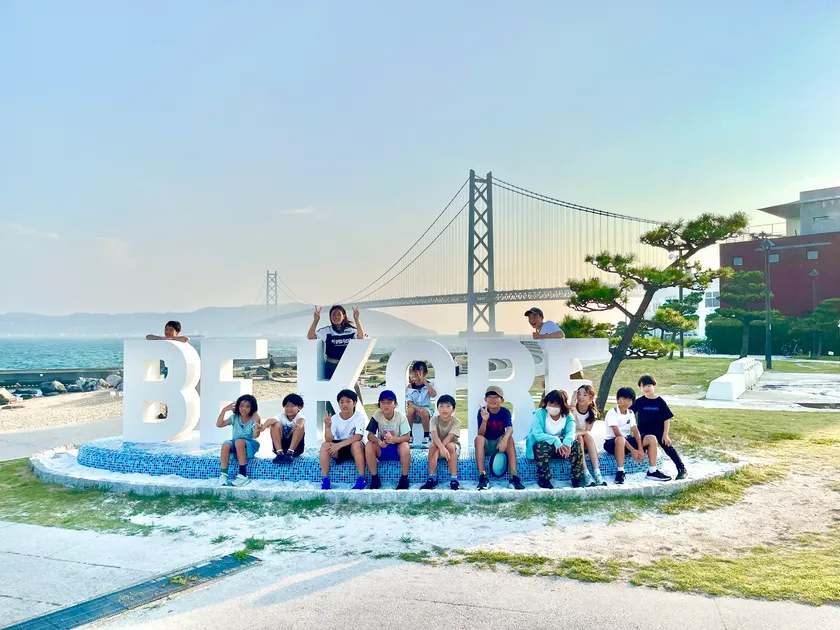
hotel for school children.
The theme of this year's program is "Experiential ESD Program Learning from Cattle. The program will be led by a producer of Kunugiza beef on Awaji Island, and children will learn about the life of the cows and the process of getting the beef to the table, and will think about the connection between food and the environment while actually tasting the beef.
The goal of this program is to help children become aware of the relationship between their food choices and the future of the earth by using all five senses to experience the meaning behind "Itadakimasu" (Thank you for the food), the responsibility of taking care of life, and how to avoid wasting food.
This program will be conducted as a practical ESD research project in collaboration with the University of Tokyo, and will examine changes in six ESD skills, including children's ability to think and work collaboratively.
Outline of the event】 【Outline of the event
Date & Time: April 28, 2026 (Tuesday) 14:30-20:00
Doors open at 14:30 (café/reception desk open), session begins at 15:30
Venue : Gakudo Hotel (Hotel Settore Kobe Maiko)
Target : 3rd to 6th grade elementary school students
Conditions of Participation: Parents and children (1 child + 1 guardian)
No one other than the child who applied for the program is allowed to participate.
Capacity: Up to 40 pairs of children (80 people)
Participation fee: Free of charge
This event is free of charge due to the collaboration between HORONIC and Toho Leo.
What is ESD?
ESD (Education for Sustainable Development) is an education that aims to equip learners with the knowledge, values, attitudes, and behavioral skills necessary to realize a sustainable society. The program aims to help students understand global issues such as the environment, food, resources, and life in relation to their own lives, and to develop the ability to think independently and act collaboratively to create a better future.
Six ESD Competencies to be nurtured through this program
This initiative examines changes in the following six capabilities of children. The program is characterized by visualizing the changes in learning, rather than merely experiencing them.
1. "Ability to think well
The ability to critically examine and question social norms and practices as well as the opinions of others, and to reflect on their own values, perceptions, and actions.
2. "Ability to envision the future
The ability to understand and evaluate possible, probable, and desirable futures, to create one's own vision of the future, and to evaluate the results of one's actions.
3. "Cooperation skills
The ability to cooperate with others. The ability to work with others in a group, deal with conflicts, and solve problems jointly.
4. "Value judgment
The ability to understand and respect one's own values, the values of others, and cultural, social, and political values, while clarifying the principles and standards behind those values, and making decisions and taking actions in accordance with the principles of sustainability.
5. "Self-awareness."
The ability to understand the impact of one's inner self, feelings, values, and actions on oneself and others.
6. "Ability to take action
The ability to identify issues and plan and implement solutions in order to act strategically toward a sustainable future.
We offer inquiry-based ESD (Education for Sustainable Development) that deepens children's imagination and love of nature.
■ Theme of this year's program
Hands-on ESD program through cows
-Let's observe, taste, and think about cows.
Children will learn about the life of cows and how meat is delivered to the table. They will learn about the life of cows and how meat is delivered to the table. They will actually taste the meat and think about the relationship between food and the global environment while moving their bodies.
The meaning of "Itadakimasu" (Thank you for the food)
How to avoid wasting food
The responsibility of taking life
Through experiences using all five senses, we aim to help children realize that the choices they make are connected to the future of the earth.
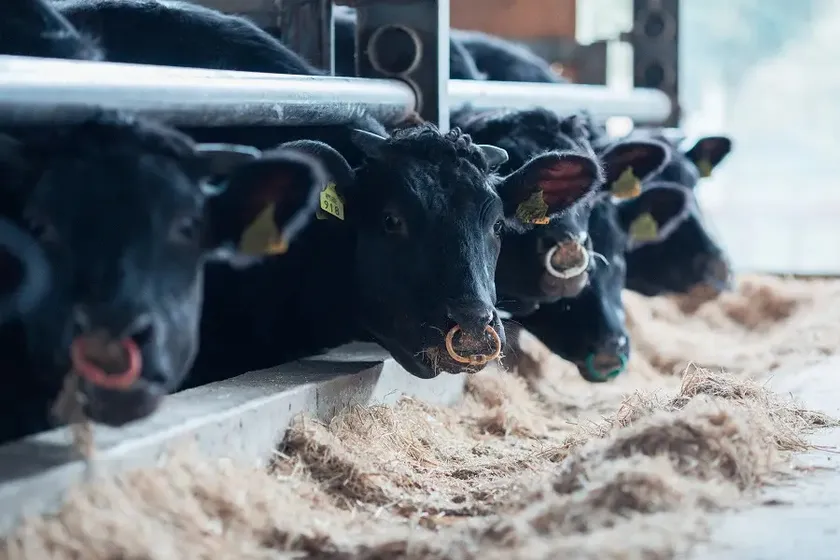
Kunugiza beef
■ Lecturers
Mr. Shinnosuke Kunugiza, ranch manager
Graduated from the Department of Circulation and Agriculture, Dairy Farming University.
He received an award of excellence for his opinion presentation at the 68th National Meeting of the Japan School Agricultural Club.

Mr. Shinnosuke Kunugiza
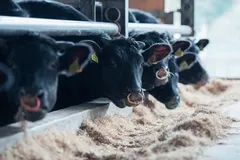
Cows are raised in an environment full of greenery on the warm Awaji Island. He travels all over the country to find cows that suit the climate and environment of Awaji Island, and raises only carefully selected black Japanese beef females.
In this program, Mr. Kunugiza from Daizo Chikusan, a limited company that raises the Kunugiza beef brand on Awaji Island, will be our lecturer. Kunugiza beef is a rare brand of Japanese black cattle raised in the bounty of nature on Awaji Island with feed made from groundwater, rice, rice straw, etc. Only female heifers are carefully selected and raised. Characterized by its melt-in-your-mouth fat and deep flavor, it is highly regarded by chefs both on and off the island. This time, you will learn directly from the producer himself about the environment in which the cattle are raised, the cycle of life, and the story of how the cattle reach your table. This is a special learning time for children to experience the connection between "eating" and "life" while experiencing the highest quality ingredients and the thoughts of the producers.
Collaborators of this program
Professor Kayoko Kurita
Deputy Director, Center for Integrated Education and Research, The University of Tokyo
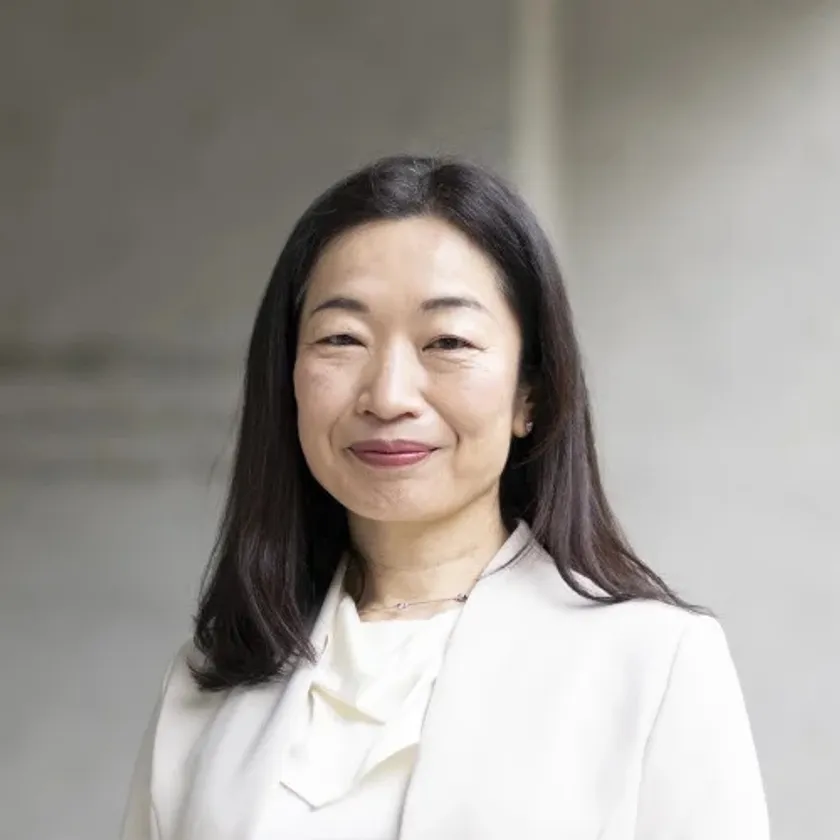
Professor Kayoko Kurita
After working at the National Institution for Academic Degrees and University Evaluation and as a visiting researcher at Stanford University, she joined the Center for Integrated Education Research at the University of Tokyo in November 2012, and assumed her current position in April 2021. D. (Education, University of Tokyo). He has been in charge of the "University of Tokyo Future Faculty Program" for nurturing future university teachers since its inception. His research theme is to support the creation of teaching portfolios as a reflection method.
Shun Ajino Professor Emeritus, The University of Tokyo
B.S. in Engineering, University of Tokyo; M.S. in Engineering, University of Tokyo; Ph.
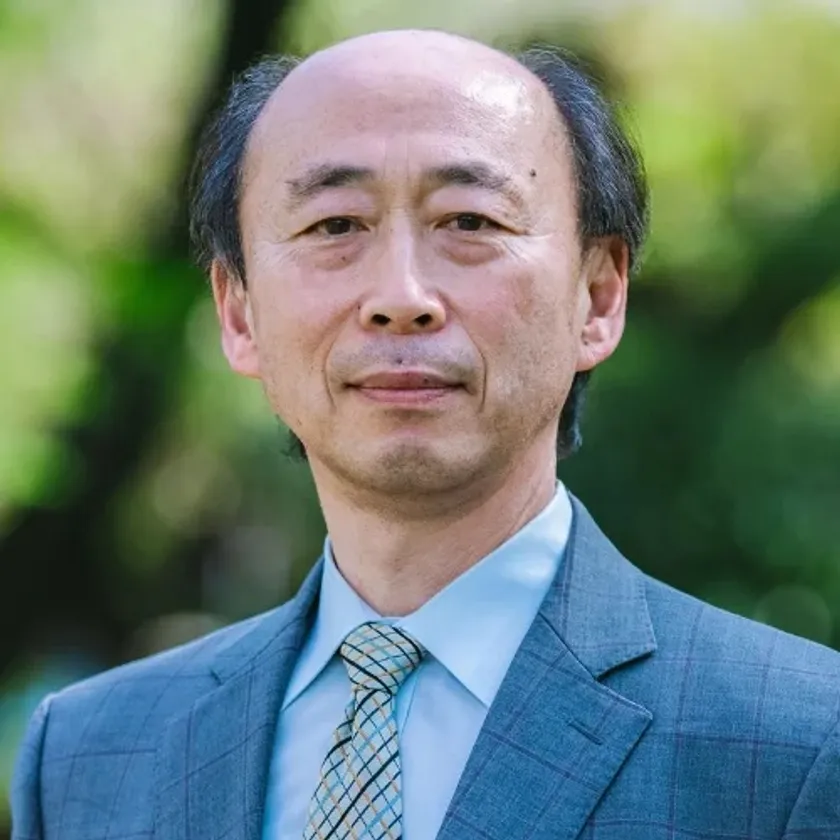
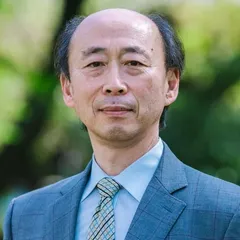
Shun Ajino
After graduating from the Graduate School of Engineering at the University of Tokyo, he served as Professor and Dean of the Graduate School of Frontier Sciences at the same university, and as Specially Appointed Professor and Deputy Dean of Tokyo College at the same university. During this period, he was engaged in education and research at the Asian Institute of Technology, United Nations University, and other institutions. Professor Emeritus of the University of Tokyo.
She specializes in biological wastewater treatment and sustainability studies, and has made it her life's work to develop and implement educational programs related to sustainability.
Misaki Funabiki
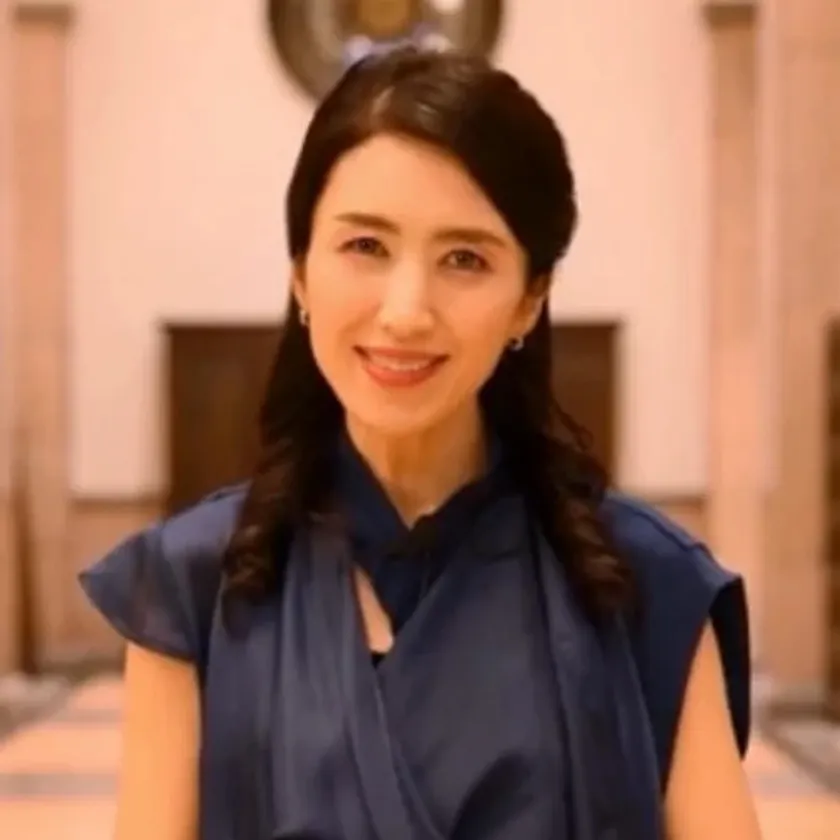
Ms. Misaki Funabiki
D. in Human and Environmental Studies, Graduate School of Frontier Sciences, The University of Tokyo After working as a TV announcer and news reporter, and planning and producing educational programs for children, Ms. Funabiki has been in charge of brand marketing and social contribution activities for a luxury goods company for over 10 years.
Currently, at the University of Tokyo Graduate School, based on her experience integrating brand philosophy and social values, she is conducting research on ESD program design and mutual transformation using corporate assets as educational resources. In this project, he participates in multiple aspects from naming "MORI CHARA x LABO" to program content and research design.
Research Introduction Video▼.
https://www.youtube.com/watch?v=nuTy3dooS6s
About Toho Leo Corporation
A pioneer in "turning corporate philosophy into educational resources
Toho Leo has created unique value through co-creation with nature, culture, and local communities in the fields of urban greening and spatial design.
Our strengths are not limited to mere construction techniques, but are also deeply connected to the abilities that UNESCO advocates to develop for sustainable development, such as "the ability to edit places where people's memories and thoughts intersect" and "translational communication skills to connect people and different contexts.
The program design ability and co-creation attitude to link education, business, and society, starting from local resources, by conceiving of green spaces and urban spaces as the intersection of ecosystems, culture, and economy.
The ability to integrate business activities that sublimate sensitivity and aesthetics into social value, while maintaining a perspective that encourages both companies and individuals to rethink their own ways of being through their relationship with nature. With these ESD capabilities as a foundation, Toho Leo is not only designing spaces and landscapes, but is also expanding its "socially-implemented ESD" throughout Japan to visualize its corporate philosophy in the form of education.
Toho Leo has been, and will continue to be, a company that "utilizes greenery to nurture people and society," expanding learning forests across the country to create a sustainable future together with the next generation.
What is a school-children's hotel?
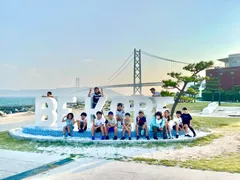
Children's everyday life is a series of "firsts. However, there are differences in the opportunities for children to experience these experiences depending on their family environment. The School Children's Hotel was started at the Hotel Setre Kobe Maiko with the aim of narrowing this gap in experiences, even if only slightly. We provide a place where children can find their "likes" and "strengths" through real work and encounters with people in the special space of a hotel. Furthermore, the sight of children spending time in a lively atmosphere provides peace of mind for their parents. As a "third place" where children can learn, experience, and interact with others, the School Children's Hotel will continue to spread the cycle of smiles in the community.
Official website of the School Children's Hotel: https://www.gakudohotel.or.jp//
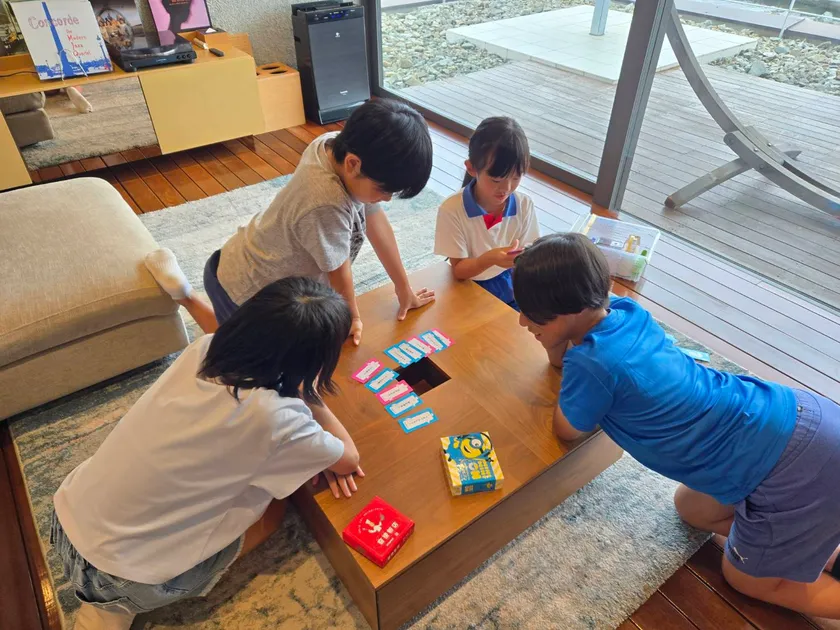
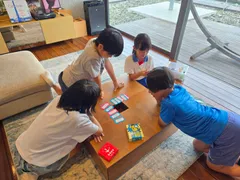
Scene at the Schoolchildren's Hotel
Initiatives of the Children's Hotel
The Gakuho Hotel has continued to provide hands-on learning experiences in collaboration with experts in various fields, such as food, the environment, welfare, and manufacturing, utilizing the extraordinary space of the hotel. As an extension of these efforts, we are participating in a practical study examining changes in children's ESD capabilities in collaboration with Toho Leo Corporation and the University of Tokyo. We are taking on the challenge of creating a new learning model that links education, research, and practice.
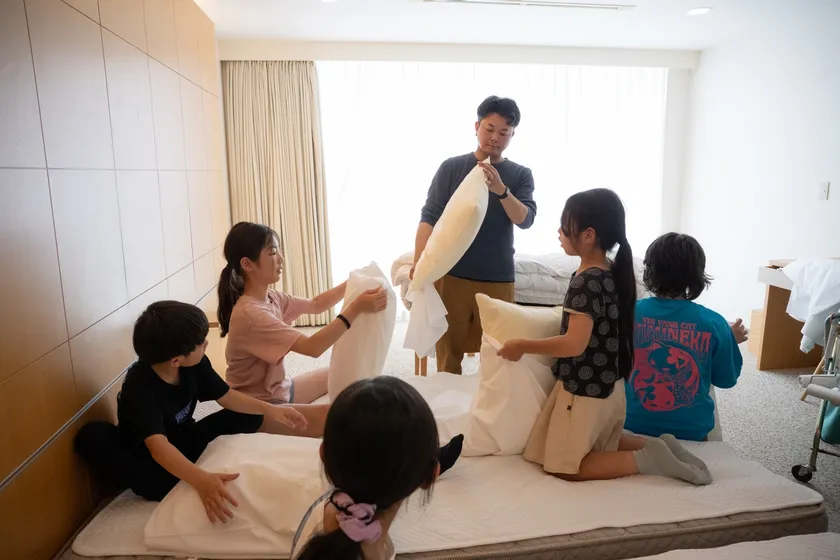
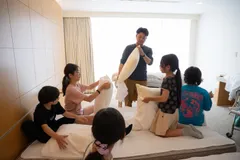
Bed-making experience
Future Prospects
Through this initiative, we aim to create a new educational model that integrates experiential learning and academic research.
In the future,
Continuous implementation and verification of the program
Expansion to other regions and fields
Expanding collaboration with companies and educational institutions
In the future, we will continue to implement and verify the program, expand it to other regions and fields, and expand collaboration with companies and educational institutions, in order to expand opportunities to nurture children's ability to perceive social issues as their own and act independently.
In addition, we will leverage the potential of the hotel as a new learning center that links education, community, and industry. This is our own challenge to open up new values and explore the future of hotels.
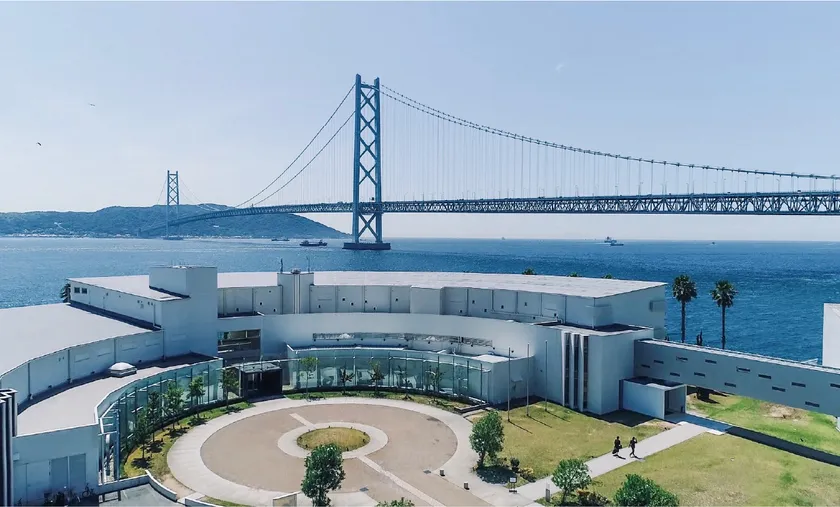
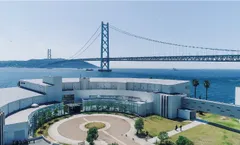
Hotel CETRE Kobe Maiko
Organization Profile
Organization: General Incorporated Association HORONIC Co.
Operated and funded by HORONIC Co.
Establishment: July 2025
Representative Director: Ichiro Osada
Head Office : 10F Kobe Fashion Mart, 6-9 Naka, Koyo-cho, Higashinada-ku, Kobe-shi, Hyogo
TEL : 078-858-6908
Line of business : Operation of a hotel for school children
Image




Logo Image

- Category:
- Events